

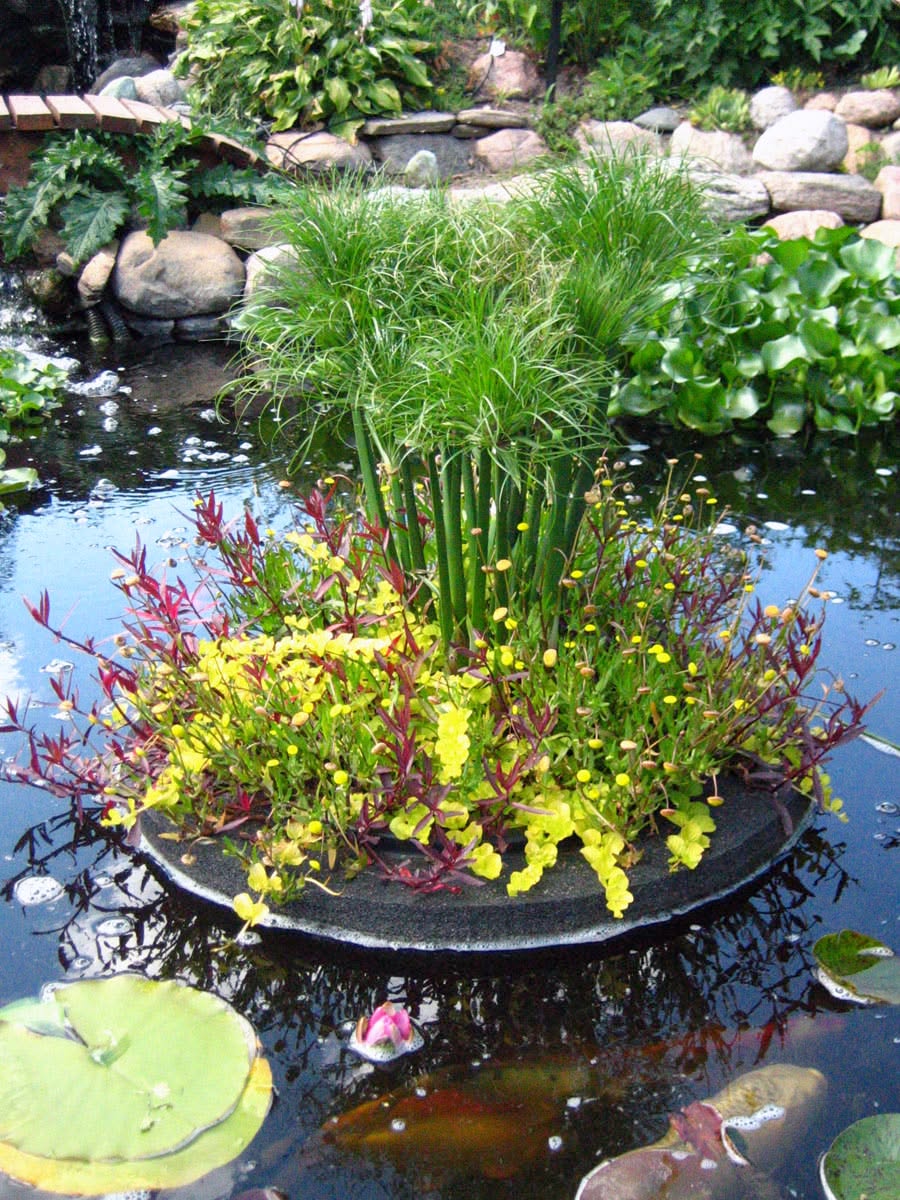
A pond can completely change the atmosphere of a garden. Even a relatively small water feature can introduce movement, colour, reflections, and wildlife. Adding the right plants makes the pond feel more established and natural while providing practical benefits for the aquatic environment. Today, homeowners can easily Buy Pond Plants Online from specialist nurseries and garden suppliers.
Online shopping offers access to many different aquatic varieties, from colourful water lilies to useful oxygenating plants and attractive marginal species. However, selecting the right plants requires some planning.
Why Pond Plants Matter
Pond plants contribute much more than decoration. According to the Royal Horticultural Society, aquatic plants can provide shelter for wildlife, oxygenate water, shade the surface, and contribute to a healthier pond environment.
Plants can also make an artificial pond look more natural. Hard edges, liners, rocks, and containers can be softened with foliage around the water’s edge.
Flowering plants bring seasonal colour, while grasses and foliage plants provide structure even when flowers are not present.
Start With Your Garden Style
Before you Buy Pond Plants Online, think about the appearance you want to create. A formal pond may benefit from carefully positioned water lilies and neatly arranged marginal plants. A wildlife pond can have a more relaxed appearance with native species growing around the edges.
A natural-looking pond usually benefits from variation. Instead of repeating one plant throughout the pond, combine different shapes and heights.
Tall marginal plants can create vertical interest, while low-growing species soften the edges. Floating foliage provides a horizontal element across the water surface.
Choose Plants According to Pond Size
The size of your pond should influence every purchasing decision. A plant suitable for a large lake may quickly overwhelm a small garden pond.
Small ponds and patio water features need compact plants with restrained growth. Larger ponds offer more opportunities for vigorous varieties, but even large ponds require planning.
Always check the eventual height and spread of a plant before ordering. Specialist online stores normally provide information about plant size and growing conditions.
The RHS specifically advises gardeners to choose plants that suit their pond’s size and to consider the mature growth of potentially vigorous species.
Think About Sunlight
Light is another factor that should be considered before purchasing. Many aquatic plants prefer sunny conditions, while some can tolerate partial shade.
Observe your pond during the day and determine how much direct sunlight it receives. If surrounding trees, buildings, or fences cast shadows over the water, select plants that can tolerate those conditions.
Water lilies generally appreciate suitable sunlight, while other aquatic and bog plants may have different requirements. Always check individual plant descriptions.
Create Different Planting Zones
One advantage of a pond with varying depths is that it allows you to grow a wider range of plants.
Marginal plants are positioned in shallow water around the pond’s edge. Deep-water plants occupy deeper areas, while submerged oxygenators grow beneath the surface. Floating plants can be placed directly onto the water.
The RHS identifies marginal, bog, deep-water, and floating plants as major groups of aquatic and bog plants.
Creating several zones can make your pond more visually interesting and provide different habitats for wildlife.
What to Look For in an Online Supplier
When shopping online, look for detailed product information. A reliable supplier should explain the plant’s preferred depth, mature size, growing conditions, and planting method.
Delivery information is also important because aquatic plants need to arrive in suitable condition. Some specialist retailers supply plants bare-rooted, while others provide container-grown specimens.
For example, UK pond-plant suppliers currently offer native plants, oxygenators, water lilies, marginals, and collections designed for different pond situations.
Planting Your New Purchases
Once your plants arrive, follow the supplier’s instructions. Aquatic plants should generally be positioned at the depth recommended for their particular species.
Container-grown plants can often be moved directly into aquatic baskets or suitable planting containers. In smaller ponds, containers can also help limit vigorous growth and make future maintenance easier.
Avoid placing too many plants into a small pond. Overcrowding can make maintenance difficult and reduce the amount of open water available.
Build a Pond That Changes With the Seasons
One of the greatest advantages of pond plants is seasonal variety. Spring can bring fresh foliage and early flowers, summer can provide colourful blooms, and autumn can introduce changing foliage and seed heads.
By choosing plants with different flowering periods, you can maintain interest for much of the growing season.
Conclusion
When you Buy Pond Plants Online, you have access to a wide selection of aquatic species that can help transform an ordinary pond into an attractive garden feature.
The key is to shop carefully. Consider pond size, depth, sunlight, mature plant size, wildlife value, and maintenance requirements before ordering. With the right combination of plants, your pond can become a beautiful focal point while also creating a welcoming environment for wildlife.
