

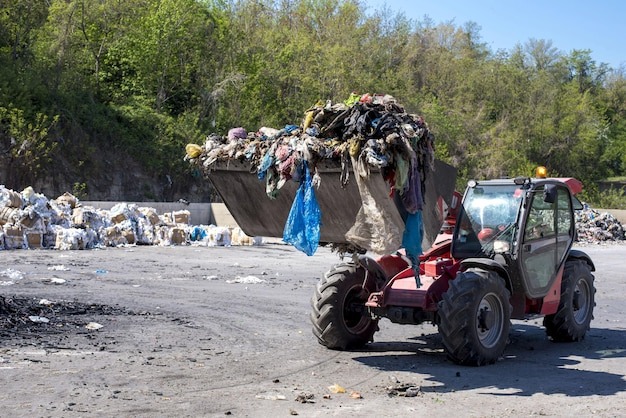
Unwanted items can gradually accumulate in homes, offices, garages, construction sites, and other properties. Old furniture, broken appliances, packaging materials, yard debris, and other unwanted belongings can take up valuable space and make an area difficult to organize. Junk removal provides a practical way to collect, sort, transport, and dispose of unwanted materials responsibly. Understanding the basic process can help property owners decide how to handle clutter efficiently and safely.
1. Identify What Needs to Be Removed
Start by walking through the property and identifying items you no longer need. These may include old furniture, electronics, household goods, boxes, renovation debris, or outdoor materials.
Creating a list can help you estimate the amount of waste and determine what type of removal service may be appropriate.
2. Sort Items Before Removal
Sorting unwanted belongings can make the disposal process more organized. Separate items that can potentially be donated, recycled, reused, or disposed of as waste.
Junk removal companies may have different policies regarding accepted materials, so check what they can collect before scheduling a service.
3. Consider Donation and Reuse
Not everything you no longer need has to become waste. Furniture, clothing, household goods, and other usable items may be suitable for donation or reuse if they are in acceptable condition.
Giving usable belongings a second life can reduce unnecessary waste and benefit local organizations or individuals.
4. Understand Recycling Options
Many unwanted materials can potentially be recycled. Cardboard, certain metals, electronics, plastics, and other materials may have specific recycling requirements.
Check local recycling guidelines or ask the removal provider how recyclable materials are handled.
5. Prepare Items for Collection
Before a removal team arrives, gather the items in an accessible location when practical and safe. Clear pathways and identify fragile or particularly heavy items. Junk removal professionals may handle the lifting and loading, but providing clear information about the items can help them prepare the appropriate equipment and vehicle.
Keeping items grouped together can also help the removal team work more efficiently and complete the collection with fewer delays.
6. Handle Large and Heavy Items Carefully
Large furniture, appliances, and construction materials can be difficult to move without proper equipment. Avoid attempting to lift extremely heavy objects alone.
Professional removal teams can use appropriate tools and techniques to load bulky materials more safely and efficiently. Professional handling can also help protect floors, walls, doorways, and other areas of the property from accidental damage.
Final Thoughts
Junk removal and disposal can make it easier to clear unwanted materials from homes, offices, garages, renovation sites, and other properties. Sorting items, considering donation and recycling, preparing for collection, and checking restrictions can help create a more organized process. Junk removal professionals can provide useful assistance with heavy lifting, transportation, and appropriate handling of many common unwanted items. Before hiring a provider, compare services, accepted materials, pricing, disposal practices, and availability. With proper planning and responsible disposal methods, removing unwanted belongings can help create a cleaner, safer, and more functional space.
