

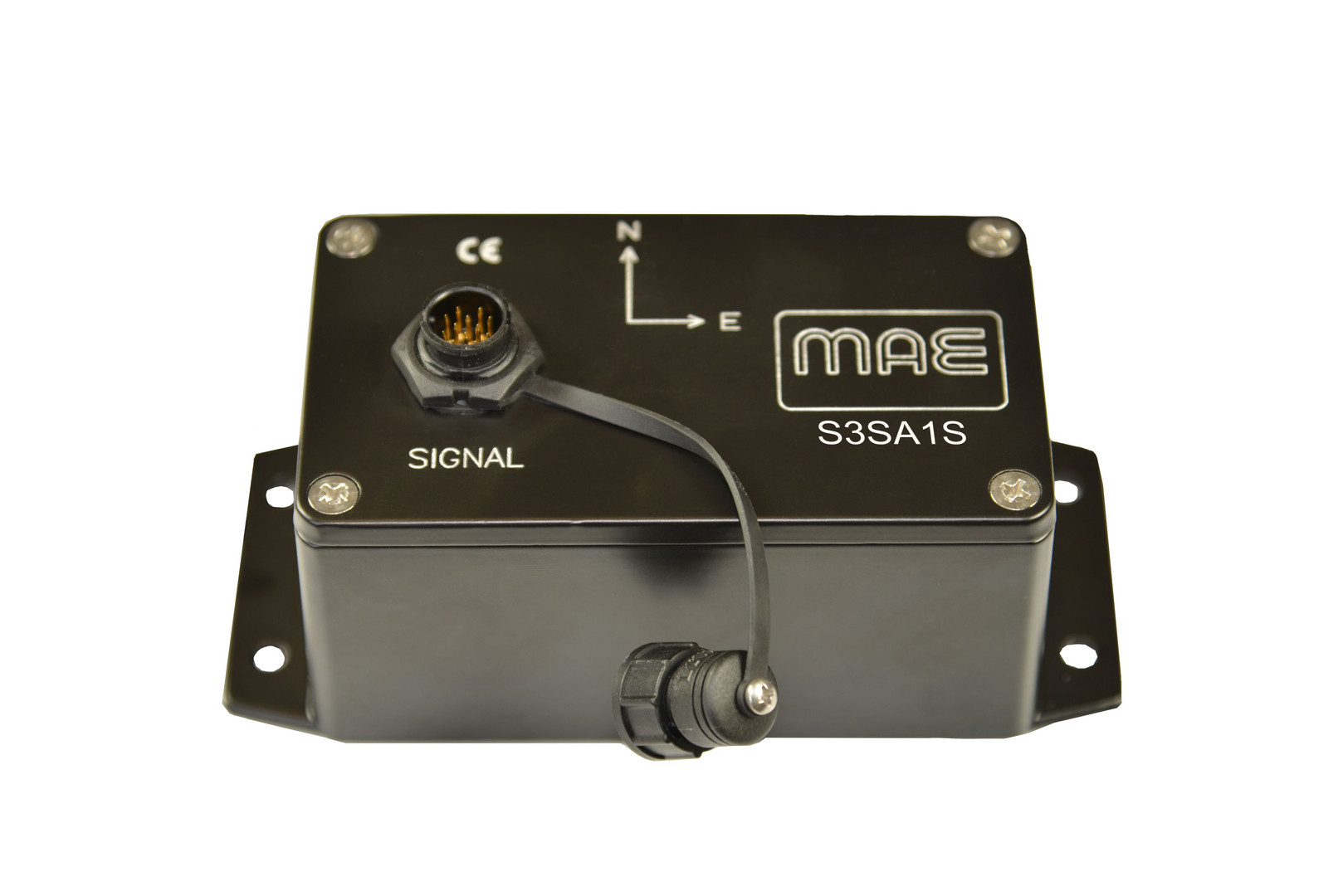
Large-scale infrastructure projects such as bridges, dams, tunnels, and high-rise buildings require continuous monitoring to ensure safety, durability, and performance. Modern engineering increasingly relies on advanced monitoring technologies to detect structural changes before they become serious problems. Choosing the Right structural monitoring sensor for Large-Scale Projects is therefore a critical step for engineers, project managers, and infrastructure planners who want to maintain long-term structural integrity and reduce maintenance risks.
Understanding Structural Monitoring Sensors
Structural monitoring sensors are devices designed to track the physical condition of infrastructure in real time. These sensors collect data related to stress, vibration, displacement, temperature, and tilt within structures. The information gathered allows engineers to analyze how a structure behaves under various conditions such as heavy loads, environmental changes, or natural events.
By implementing reliable monitoring systems, organizations can detect early warning signs of structural deterioration and take preventive action before significant damage occurs.
Why Large-Scale Projects Need Advanced Monitoring
Large-scale projects are exposed to complex forces over time. Factors such as traffic loads, weather fluctuations, seismic activity, and material fatigue can impact structural stability. Without proper monitoring, minor issues may go unnoticed until they become costly or dangerous.
This is why Choosing the Right Structural Monitoring Sensor for Large-Scale Projects is essential. The right sensors provide accurate data that supports predictive maintenance, improves safety standards, and extends the lifespan of major infrastructure assets.
Key Types of Structural Monitoring Sensors
Several types of sensors are commonly used in structural health monitoring systems. Each type serves a specific purpose depending on the project requirements.
Strain Sensors
Strain sensors measure the deformation or stretching of structural elements under stress. They help engineers understand how loads affect beams, columns, and support structures.
Vibration Sensors
Vibration sensors detect movement patterns and dynamic behavior within structures. These sensors are particularly useful for bridges and high-rise buildings that experience regular movement.
Tilt Sensors
Tilt sensors monitor changes in angle or alignment. They are often used in dams, retaining walls, and towers where small shifts may indicate foundation instability.
Temperature Sensors
Temperature fluctuations can cause materials to expand or contract. Monitoring temperature helps engineers interpret structural changes more accurately.
Factors to Consider When Selecting a Sensor
Selecting the most suitable monitoring equipment requires careful evaluation of several factors.
Project Scale and Complexity
Large projects may require multiple sensor types integrated into a centralized monitoring system to collect comprehensive data.
Environmental Conditions
Sensors must withstand harsh environments, including extreme temperatures, humidity, dust, and vibration.
Data Accuracy and Reliability
Accurate data is essential for effective decision-making. High-quality sensors provide consistent readings that engineers can trust.
Integration with Monitoring Systems
Modern monitoring sensors should be compatible with digital platforms and remote monitoring systems for real-time analysis.
These considerations play a major role in Choosing the Right Structural Monitoring Sensor for Large-Scale Projects, ensuring that monitoring systems deliver meaningful and actionable insights.
Benefits of Proper Sensor Selection
When the right sensors are installed, infrastructure managers gain several important advantages:
- Early detection of structural issues
- Improved safety for workers and the public
- Reduced maintenance and repair costs
- Longer infrastructure lifespan
- Data-driven maintenance planning
The process of Choosing the Right Structural Monitoring Sensor for Large-Scale Projects ultimately helps organizations protect their investments while maintaining reliable infrastructure performance.
Conclusion
As infrastructure projects become larger and more complex, the importance of structural health monitoring continues to grow. Sensors provide the data necessary to track structural performance, identify risks early, and guide maintenance decisions. By carefully evaluating project needs, environmental conditions, and sensor capabilities, engineers can ensure they are Choosing the Right Structural Monitoring Sensor for Large-Scale Projects and building safer, more resilient infrastructure for the future.
