

In the global tool market, not all suppliers operate at the same professional level. For buyers sourcing at scale, the difference between a professional supplier and a short-term trader directly affects supply stability, operational risk, and long-term business performance.
Understanding the key factors that define professional wholesale power tool suppliers helps buyers evaluate suppliers more accurately and avoid costly sourcing mistakes.
1. Clear Company Structure and Market Positioning
Professional suppliers operate as established organizations rather than opportunistic sellers. Buyers typically look for:
- Clear corporate identity and business scope
- Consistent positioning across markets and channels
- Long-term focus on the tool industry rather than mixed or unrelated products
A well-defined company structure signals stability and accountability.
2. Scalable Product Systems, Not Isolated SKUs
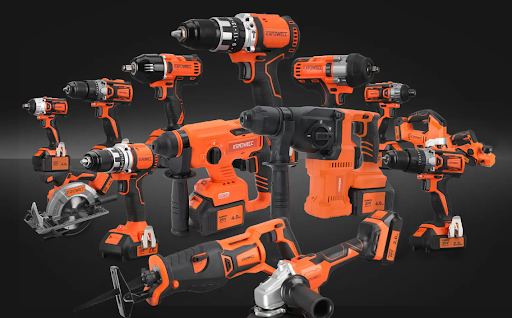
One defining factor of professional wholesale power tool suppliers is the ability to offer structured product systems.
This includes:
- Consistent model families and specifications
- Stable availability of core products
- Logical product extensions that support assortment growth
Suppliers that rely on one-off models or frequently changing items create long-term sourcing risk for buyers.
3. Supply Chain Control and Delivery Reliability
Professional suppliers demonstrate control over their supply chain rather than relying on uncertain third-party arrangements.
Key indicators include:
- Predictable lead times
- Reliable order fulfillment
- The ability to support repeat and growing orders
Delivery reliability is often a stronger indicator of professionalism than headline pricing.
4. Documented Quality Management Processes
Quality consistency is a non-negotiable factor for professional buyers. Wholesale suppliers operating at a professional level typically have:
- Defined quality control procedures
- Batch-level consistency
- Clear handling processes for quality issues
This reduces downstream risk for buyers and protects market credibility.
5. Transparent Communication and Documentation
Professional suppliers communicate clearly and consistently. Buyers evaluate professionalism through:
- Responsiveness to inquiries
- Accuracy and clarity of quotations
- Availability of technical documentation and product information
Clear communication reflects internal organization and operational maturity.
6. Export Experience and Compliance Awareness
For international buyers, professionalism includes familiarity with global trade requirements. This often involves:
- Experience serving multiple export markets
- Understanding of regional compliance standards
- Ability to support required documentation
Suppliers lacking export experience may struggle as buyer requirements evolve.
7. Long-Term Supply Commitment
Professional wholesale power tool suppliers prioritize long-term cooperation over short-term transactions. This is reflected in:
- Willingness to support ongoing supply relationships
- Stable pricing frameworks
- Capacity planning aligned with buyer growth
This commitment allows buyers to plan confidently rather than constantly re-sourcing.
8. Structured After-Sales and Issue Resolution
Problems are inevitable in any supply relationship. What defines professionalism is how issues are handled.
Professional suppliers typically offer:
- Clear after-sales processes
- Defined responsibility for defects or errors
- Timely resolution and communication
Effective issue management protects buyer operations and customer relationships.
9. Operational Consistency Over Time
Finally, professionalism is demonstrated through consistency. Buyers assess whether suppliers can maintain standards across:
- Multiple orders
- Different product categories
- Changing market conditions
Consistency over time separates professional suppliers from short-term operators.
Defining Professionalism Beyond Price
Price competitiveness matters, but it does not define professionalism. In wholesale sourcing, professionalism is reflected in structure, reliability, and long-term capability.
Buyers seeking reliable wholesale power tool suppliers increasingly focus on these defining factors to reduce risk, improve efficiency, and build more resilient supply chains.
